Cupsole vs Vulcanized Skate Shoes: What’s the Difference?

Choosing the right skate shoes matters more than most people think. Board feel, durability, impact protection, and how your feet feel after a long session all come down to one thing: shoe construction.
The two most common types of skate shoes are cupsole and vulcanized. Both have been around forever, both are proven, and neither is better for everyone. It really depends on how you skate and what you want out of a shoe.
Both cupsole and vulcanized skate shoes are designed for skateboarding, but they feel very different on the board. This guide breaks down those differences so you can choose what actually works for you.
The Basics: How Skate Shoes Are Built
At a glance, most skate shoes look similar, but the sole construction changes everything.
- Vulcanized skate shoes use a thin rubber sole that’s heat bonded directly to the upper
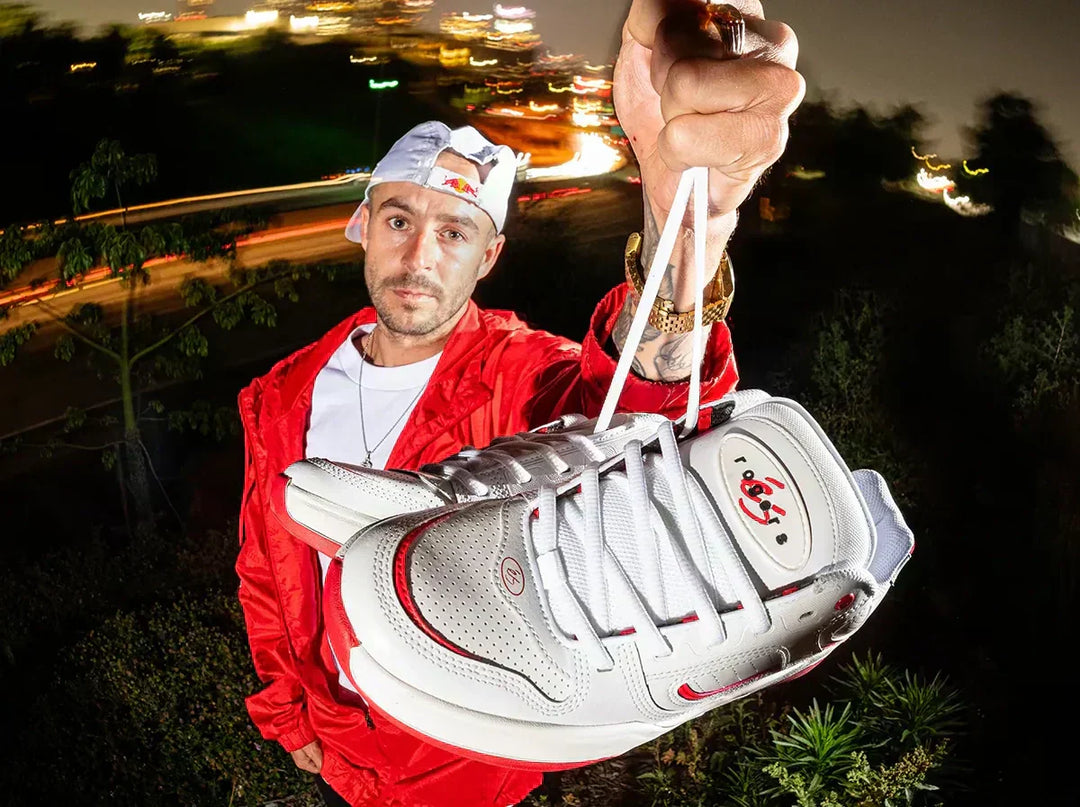
- Cupsole skate shoes use a thicker, molded sole where the upper sits inside a “cup”
That one difference affects board feel, flexibility, durability, impact protection, and break-in time.
Vulcanized Skate Shoes

Pros of Vulcanized Skate Shoes
- Excellent board feel and responsiveness
- Flexible with little break-in time
- Lightweight for longer sessions
- Ideal for flip tricks, ledges, and manuals
Cons of Vulcanized Skate Shoes
- Wear out faster, especially in the ollie area
- Less impact protection on hard landings
- Minimal structure and ankle support
Popular vulcanized skate shoes:
Cupsole Skate Shoes

Pros of Cupsole Skate Shoes
- More durable construction
- Better impact protection for stairs and gaps
- Increased stability and support
- Holds shape longer over time
Cons of Cupsole Skate Shoes
- Slightly reduced board feel
- Longer break-in time
- Heavier than vulcanized shoes
Popular cupsole skate shoes:
Cupsole vs Vulcanized Skate Shoes: Quick Comparison
| Feature | Vulcanized Shoes | Cupsole Shoes |
|---|---|---|
| Board Feel | Excellent | Good |
| Flexibility | High | Moderate |
| Impact Protection | Low to Moderate | High |
| Durability | Moderate | High |
| Weight | Lighter | Heavier |
| Break-In Time | Very Short | Longer |
| Best For | Technical street skating | Stairs, gaps, park, transition |
Things Skaters Don’t Always Consider

- Insoles matter. A good insole can add impact protection to vulc shoes or improve board feel in cupsoles.
- Hybrid designs exist. Some modern shoes blend vulc feel with cupsole cushioning.
- Your skating evolves. Many skaters move from vulc to cupsole as they skate bigger or more often.
- Comfort always wins. If a shoe doesn’t feel right, it won’t skate right.
Cupsole vs Vulcanized Skate Shoes: FAQ
Which skate shoes are better for flip tricks?
Vulcanized skate shoes. The thinner sole gives better board feel and faster response.
Do cupsole skate shoes last longer?
Yes. Cupsole shoes are generally more durable and handle repeated impact better.
Are cupsole shoes bad for street skating?
No. Many skaters street skate cupsoles once they’re broken in.
Can insoles make vulcanized shoes more comfortable?
Absolutely. Insoles can improve impact protection without killing board feel.
Final Thoughts
Cupsole and vulcanized skate shoes both have their place. One isn’t better than the other, they’re just built for different skating styles and preferences.
If you’re unsure, try both. Most skaters eventually do.
Browse our full lineup of skate shoes →